Laundry demand is rarely flat, and the businesses that get caught out are usually the ones that planned for an average week. Festive periods, school holidays, and big events in Johor can push linen volumes well above the norm, and a plant or a linen stock sized for normal will struggle. This guide covers how to plan for the peaks so a busy season is a good problem rather than a crisis.
Knowing your own demand pattern
Before you can plan, you need to know when your peaks actually fall, and they are different for every business. A hotel near Iskandar Puteri may surge around school holidays and long weekends, while a banquet venue spikes around the festive and wedding seasons. Pull your own volume history across a full year and mark the weeks that ran hot, because that pattern is the foundation of every other decision here.
Linen par levels for peak weeks
Par level is how many sets of each item you keep in rotation, and a par sized for a quiet Tuesday will fail on a full house weekend. The fix is to set par against your busiest realistic week, not your average, so you are not laundering frantically just to keep beds made. Carry enough spare sets that a delivery delay during a peak does not leave you short.
- →Size par against your busiest realistic week, not the average
- →Hold extra sets of your highest turnover items
- →Account for items out of rotation due to wear or rewash
Booking laundry capacity ahead of the peak
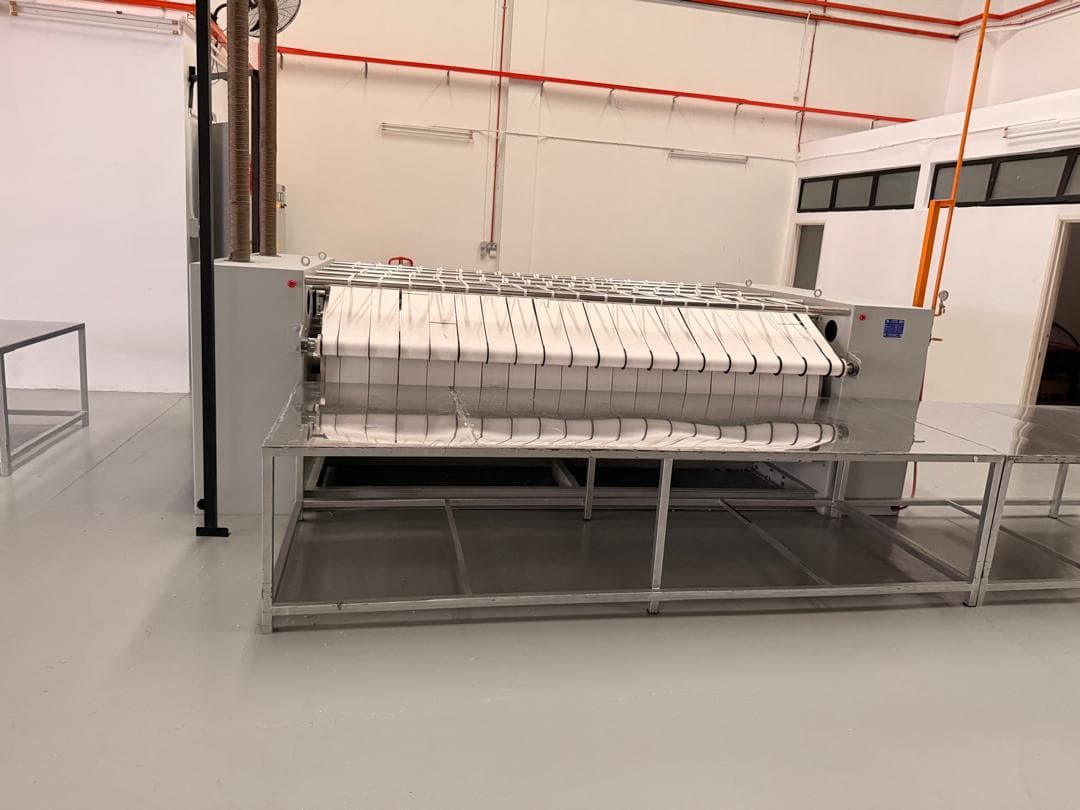
The worst time to discover your laundry has no spare capacity is the week you need it. Tell your laundry partner about your expected peaks in advance so the volume can be scheduled rather than squeezed in. Arifa runs 24/7 and processes up to 25 tonnes a day across two Johor Bahru factories, which gives real room to absorb seasonal surges, but planning the timing ahead always beats a last minute scramble.
Planning collection and delivery around the surge
During a peak, the linen flow tightens and a single missed pickup hurts more than it would on a slow week. Agree adjusted collection and delivery windows for the busy period in advance rather than relying on the normal schedule. If your peak comes with later checkouts or extra event turnarounds, build those into the timetable before the season starts, not during it.
Reviewing after the season
Once the peak passes, look back at what actually happened against what you planned. Did par levels hold, did turnaround slip, did you run short on any item? Capturing this while it is fresh makes next year's plan sharper and turns each season into a better forecast rather than a repeated surprise.