A rewash is a piece of linen that failed inspection and has to go through the process again. It feels minor, but every rewash doubles the cost of cleaning that item and shortens its life. This article explains what drives a high laundry rewash rate and the practical steps that bring it down.
Why does the rewash rate matter so much?
When an item is rewashed, you pay twice for water, energy, detergent, and labour on the same piece. You also expose the linen to extra mechanical and chemical stress, so it wears out sooner. A rewash rate that looks small on paper compounds quickly across thousands of items a week.
What causes high rewash rates?
Most rewashes trace back to a handful of causes: stains left to set, incorrect sorting, wrong wash programme for the soil level, or chemistry that is out of balance. Heavily soiled items mixed with lightly soiled ones often drag the whole load down. Identifying the dominant cause is the first step to fixing it.
- →Stains that dried or set before washing
- →Poor sorting by fabric, colour, or soil level
- →Wrong programme for the actual soil load
- →Out-of-balance detergent or water chemistry
How does sorting reduce rewash?
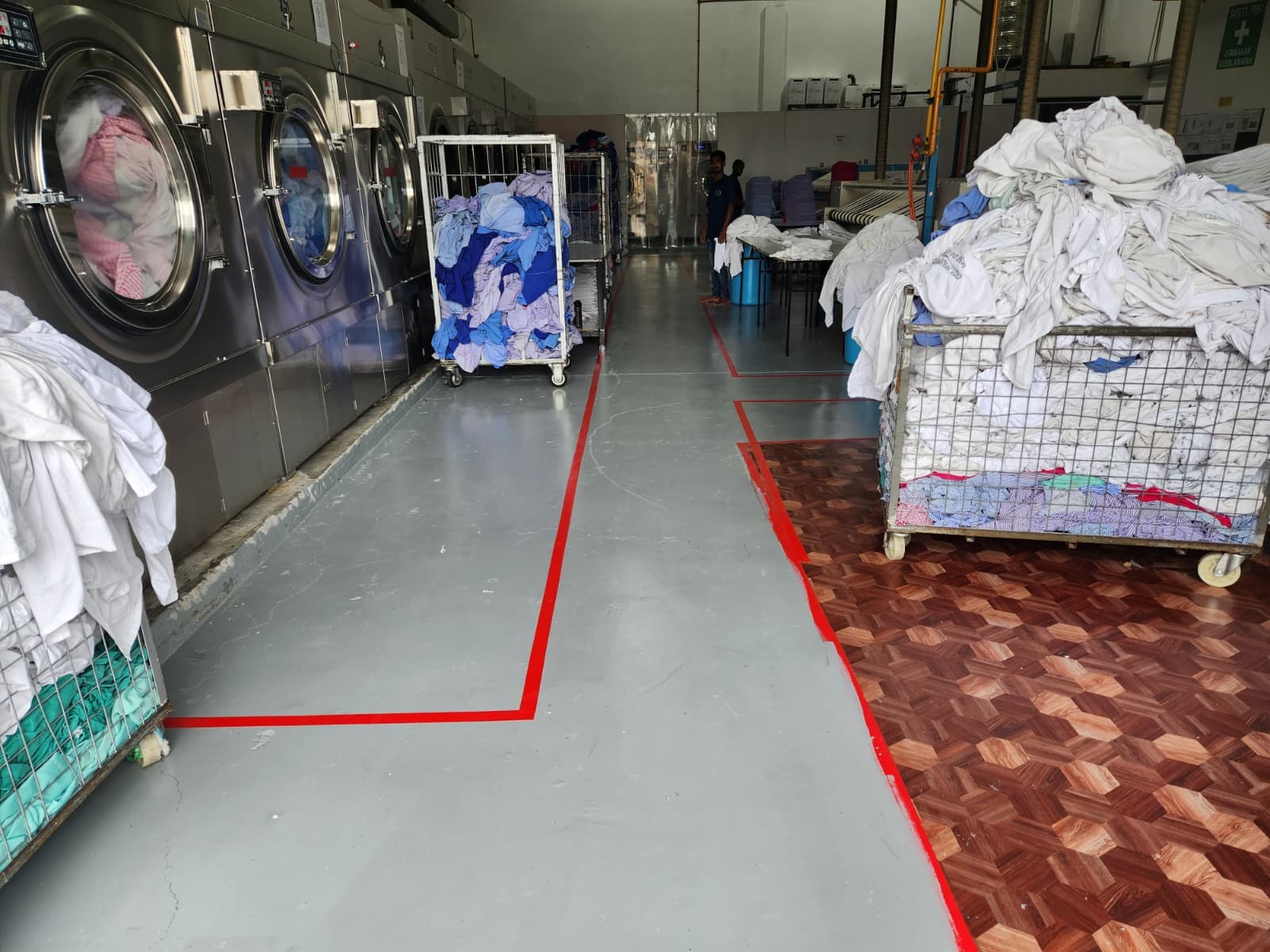
Good sorting puts like items with like items, so the wash programme matches the soil and fabric. Keeping heavily soiled linen separate means the right chemistry and temperature reach it without overdosing the lighter items. At Arifa we keep clean and soiled linen strictly apart, which protects the wash result and prevents recontamination that triggers rewashes.
What can a client do at source?
A lot of the rewash battle is won before linen ever reaches the plant. Rinsing or flagging heavily stained items, getting soiled linen collected promptly so stains do not set, and separating obviously contaminated pieces all cut the reject rate. Clear communication on problem items helps the laundry target them correctly.
- →Flag heavily stained or special items
- →Get soiled linen collected before stains set
- →Separate contaminated or hazardous pieces
- →Share recurring stain types with your laundry
How do you track and improve over time?
You cannot manage a rewash rate you do not measure, so log rejects by reason, not just by count. Once you know whether the problem is sorting, timing, or chemistry, you can fix the right thing instead of guessing. Review the trend with your laundry partner so both sides act on the same numbers.