Linen replacement is one of the quietest costs in a hospitality or healthcare operation, and one of the easiest to ignore until the annual figure lands. Sheets and towels do wear out, but a large share of replacement spend comes from causes you can actually control. This article covers what shortens linen life and what you can do to slow it down.
Where linen replacement cost really comes from
Replacement spend has two main sources: linen that wears out and linen that disappears. Wear comes from washing, drying, and handling over many cycles, while loss comes from items that walk out with guests, get mixed into the wrong department, or are discarded too early. Knowing your split between wear and loss tells you where to focus first.
Stop pulling linen from service too early
A surprising amount of replacement comes from staff discarding linen that still has life in it, often because of a stain that washing could have removed. Clear retirement standards, so an item is only retired when it is genuinely worn, thin, or damaged. A consistent standard stops good stock being thrown away on a busy changeover.
- →Set a clear, written retirement standard
- →Train staff to separate stained from genuinely worn
- →Track discard reasons so patterns surface
Control loss through the chain of custody
Linen goes missing at handover points: room to trolley, trolley to laundry, laundry back to floor. Counting at each handover and keeping departments from pooling stock cuts the quiet leakage that replacement budgets absorb. Loss you cannot see is loss you cannot manage.
How wash discipline extends linen life
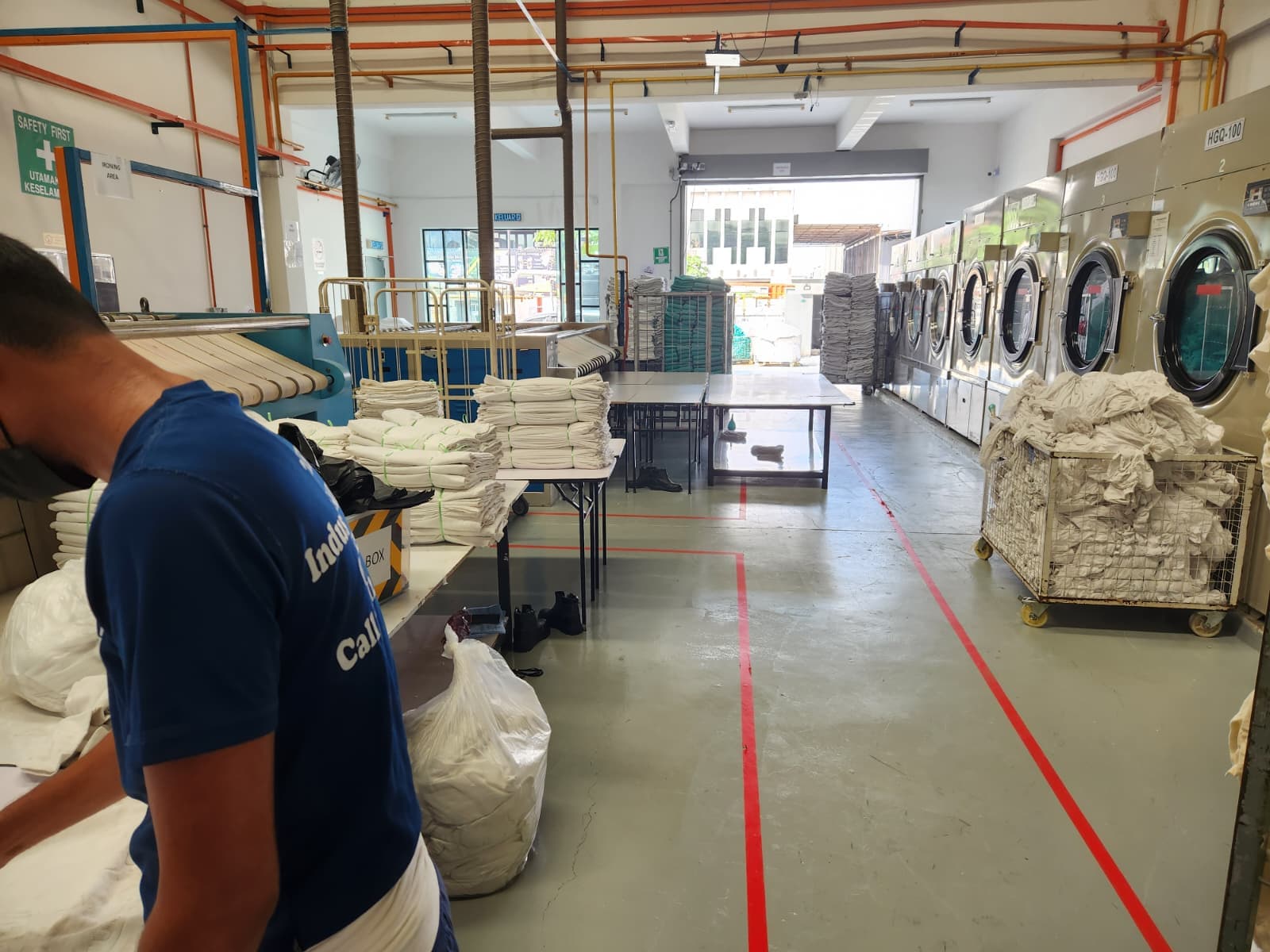
The wrong wash programme ages linen faster than it needs to. Over-aggressive chemistry, excessive drying temperatures, and incorrect sorting all shorten the usable life of every piece that passes through. Correct classification, the right programme for the fabric, and controlled drying keep stock in service longer, which is replacement spend avoided rather than merely delayed.
Match par levels to real demand
Holding too little stock forces linen through more cycles per week, ageing it faster, while holding too much ties up cash and storage. Right-sizing par levels to your actual occupancy curve gives each piece enough rest between uses without over-investing. The aim is a stock level that turns at a healthy pace, not one that races.