Cross-contamination in healthcare linen rarely comes from one dramatic failure. It comes from small gaps: a shared trolley, a clean item set down in a soiled zone, a wash cycle that varied. This article maps where contamination actually enters the linen flow and the practical controls that keep it out, written for infection control and procurement teams in Johor.
Where cross-contamination actually happens
Most cross-contamination is a handling problem, not a washing problem. Clean linen touches a soiled surface, the two streams share a trolley, or finished stock is staged too close to incoming dirty loads. The wash itself is often fine; the failure happens before or after it. Knowing this shifts the focus to separation and handling discipline.
- →Shared trolleys between dirty and clean linen
- →Clean stock staged near soiled intake
- →Handling shortcuts under time pressure
Strict separation as the first control
The strongest single control is keeping clean and soiled linen physically apart at every stage. Arifa keeps clean and soiled linen strictly apart across both Johor factories, with separate routes for soiled intake and clean output. When the two streams never share space, the most common contamination path is simply closed off.
- →Separate routes for soiled intake and clean output
- →No shared trolleys across the two streams
- →Clean staging kept away from incoming soiled loads
Consistent washing closes the second gap
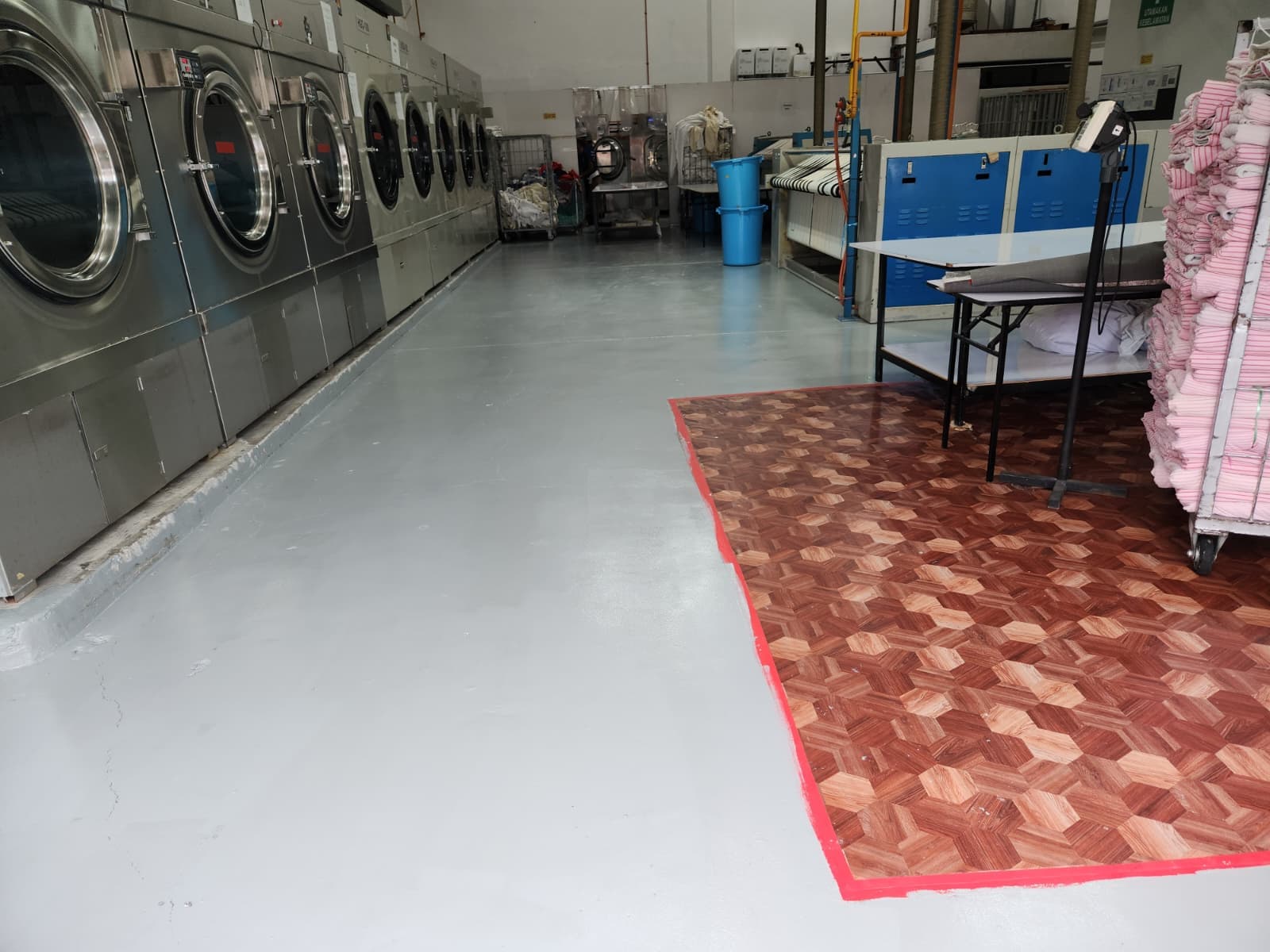
Once separation is in place, the wash has to deliver the same clean result every time. Improvised, load-by-load cycles leave room for an underprocessed batch to slip through. Running set cycles on nine washer extractors and sixteen dryers means each batch is processed to a known, repeatable standard rather than to whoever loaded it.
Handling and staff discipline
Controls only work if people hold the line under pressure. That means staff who do not cut corners when a load is late, trolleys that stay in their lane, and clean items that never get set down in a dirty zone. Operating 24/7 since 2017 has built that routine into the way Arifa's teams work rather than treating it as an exception.
- →Trolleys and zones stay in their assigned lanes
- →No clean item set down in a soiled area
- →Discipline that holds even when loads run late
What to verify in a Johor laundry partner
Ask to see how a laundry separates its streams physically and how it keeps cycles consistent, not just whether it claims to. Arifa processes for healthcare clients including Hospital Sultanah Aminah, KPJ specialist hospitals, and Medivest, so these controls are part of the daily operation and can be walked through rather than just described.