Switching laundry suppliers is easy to get wrong because the problems show up after you sign, not before. The right questions surface capacity limits, hygiene gaps, and contingency holes while you can still walk away. This is a buyer checklist for vetting a commercial laundry in Johor, grouped by what actually fails in practice.
Can they prove their capacity, not just claim it?
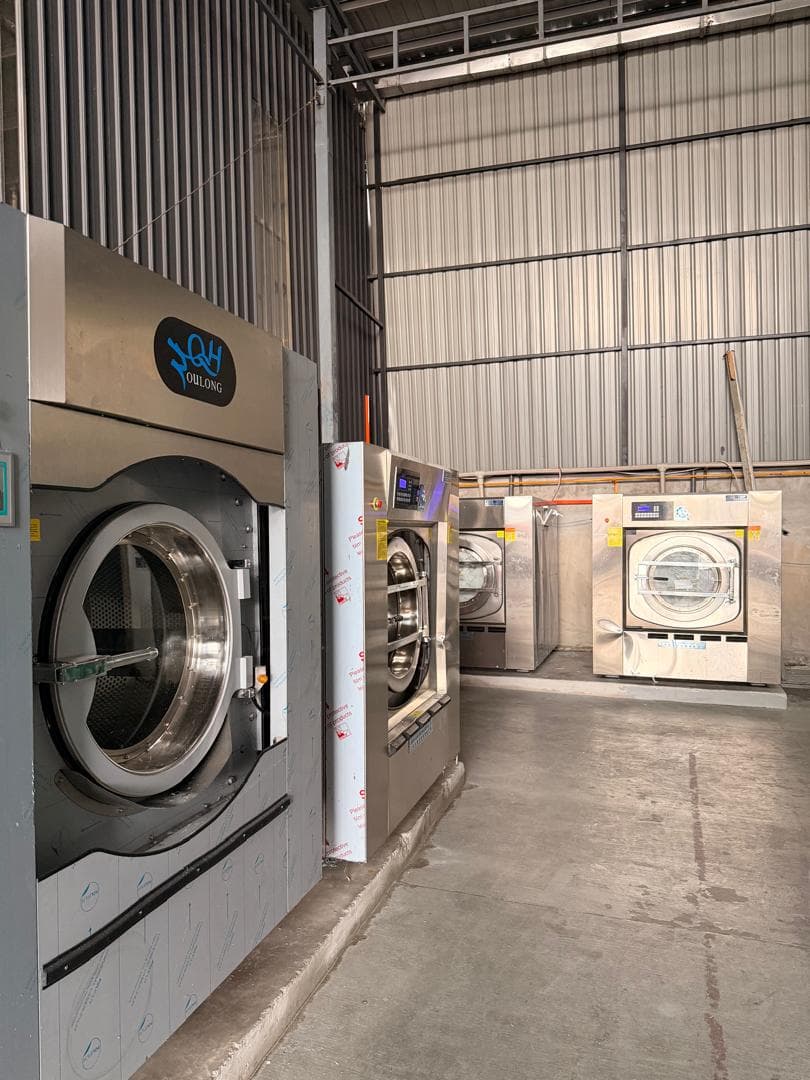
Plenty of vendors say they can handle your volume. Ask for the actual numbers: daily processing capacity, machine sizes, and how many washers and dryers are running. A processor handling up to 25 tonnes a day across nine washer extractors and sixteen dryers can show you the floor, and capacity you can see is capacity you can trust.
- →Stated daily tonnage capacity
- →Machine count and sizes
- →Current load versus available headroom
- →Ability to absorb your peak, not just your average
How do they keep clean and soiled linen apart?
Cross-contamination is the failure that quietly costs you the most, especially for hospitality and healthcare linen. Ask to see how soiled intake and clean output are physically separated through the plant. A laundry that keeps the two streams strictly apart, end to end, is one you can put in front of an auditor without worry.
- →Physical separation of soiled and clean areas
- →Defined wash temperatures by item type
- →Protected storage of finished linen
- →Clear handling for contaminated returns
What happens when something goes wrong?
A machine breaks, a delivery is late, a batch comes back stained. The question is not whether problems happen but what the vendor does when they do. Ask about backup machine capacity, redundancy across sites, and how they handle a missed delivery before it becomes your problem at the front desk.
- →Backup capacity if a machine fails
- →Redundancy across more than one facility
- →Escalation path for missed or late deliveries
- →How rewashes and rejects are handled
Do they actually run when you need them?
Hospitality and healthcare do not stop at 5pm, and neither can your linen supply. Ask whether the plant runs around the clock and how collection and delivery windows fit your operation. A laundry operating 24/7 can flex its schedule to yours instead of forcing your linen flow around office hours.
- →Operating hours and days
- →Collection and delivery windows
- →Turnaround time you can rely on
- →Flexibility around your peak periods
Who do they already serve?
References tell you what a sales pitch cannot. Ask which sectors and clients the laundry already serves, because a processor trusted by hospitals and hotels has already passed hygiene and reliability tests harder than yours. Real clients you can name are the strongest signal that the vendor delivers.
How do they talk about cost?
Be wary of a number quoted before anyone understands your linen mix and volume. A serious vendor explains the cost drivers: weight, item types, soil level, turnaround, and contract terms. If a quote arrives without those questions first, it will not survive contact with your real volume.