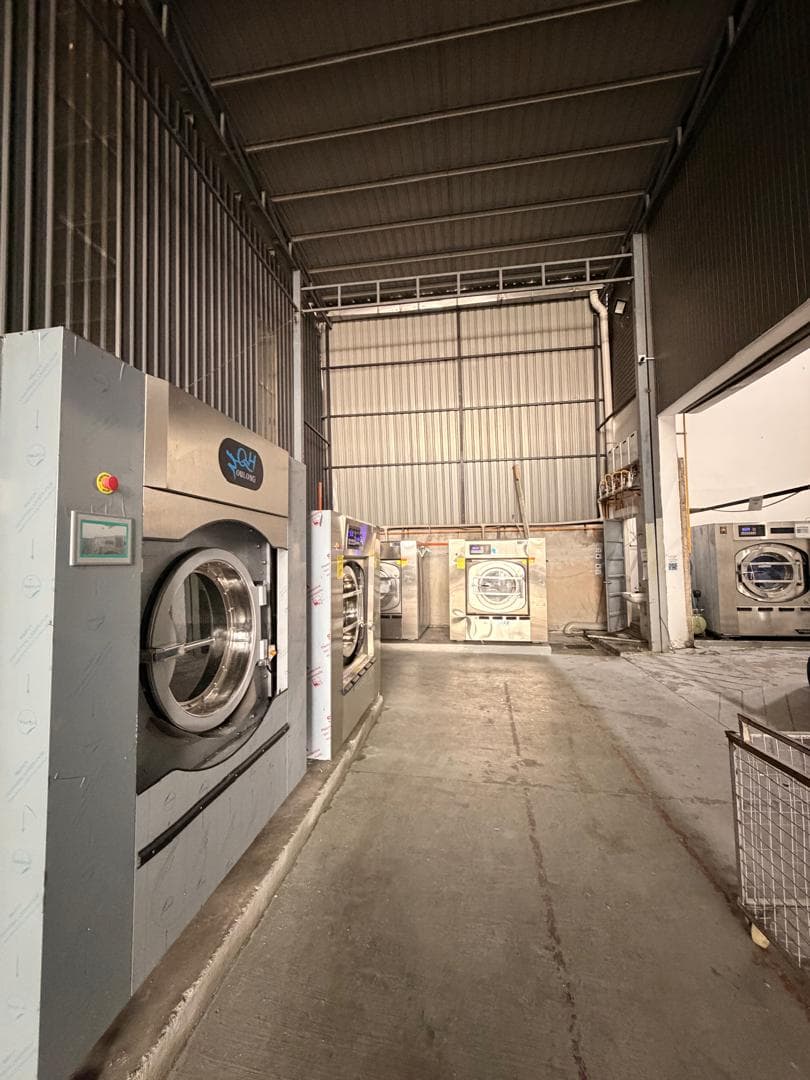
Quality control in commercial laundry is not one final check at the end. It is a series of small gates from the moment soiled linen arrives to the moment clean stock leaves the dock. This article explains where those gates sit and what good control looks like for hotels and healthcare clients.
Why quality control starts at the soiled end
The first quality decision happens before anything is washed. Linen has to be sorted by type and soil level, and clean and soiled stock must be kept strictly apart so there is no cross-contamination. At Arifa, clean and soiled linen are physically separated through the whole flow, which is the foundation everything else sits on.
- →Sort by item type and fabric
- →Separate heavily soiled and stained pieces
- →Keep clean and soiled streams apart
- →Flag damaged items before washing
Controlling the wash itself
Consistent results come from controlling the wash variables, not from running everything on one setting. Water temperature, chemical dosing, mechanical action, and cycle time are matched to the linen type and the soil. Healthcare linen and food-and-beverage linen carry different risks, so they get different programs.
Inspection and the rewash loop
After drying and finishing, linen is inspected for stains, tears, and finish quality. Anything that fails goes back for a rewash or is pulled from service, rather than being folded and sent out. The point of a good rewash loop is that the customer never has to be the one who catches the defect.
- →Check for stains and residue
- →Check for tears, holes, and worn edges
- →Confirm finish and fold standard
- →Reroute failures, do not pass them on
Consistency across shifts
A plant that runs 24/7 has to deliver the same standard at 3am as it does at midday. That comes from written programs, trained operators, and checks that do not depend on who is on shift. Arifa has run around the clock since 2017, so the standard has to live in the process, not in one person's memory.
What clients should ask for
Procurement teams can hold a laundry to account without being inside the plant. Ask how clean and soiled streams are separated, how failures are caught and reworked, and how problems get traced back when something does slip through. Clear answers to those questions tell you whether quality control is real or just a label.
- →How are clean and soiled linen separated?
- →What happens to items that fail inspection?
- →How are recurring issues traced and fixed?