Many businesses keep washing linen in-house long after it stops making sense, mostly because outsourcing feels like a big unknown. In practice the first steps are straightforward once you know what to measure and what to ask. This guide lays out a plain framework for moving from in-house washing to an outsourced laundry partner in Johor, without committing before you understand the work.
Step one: measure your real linen volume
Before you talk to any supplier, get an honest picture of how much linen you actually process and how that changes through the week. Volume and its swings are what shape the whole arrangement, so guessing here leads to a mismatched contract. Track a normal week and note the peaks, because the peaks decide the capacity you need.
- →Daily and weekly weight or piece counts
- →Peak days and seasonal swings
- →The mix of item types you handle
- →How much in-house space and labour laundry currently uses
Step two: list every item type
Laundry is not one job. Bedding, towels, table linen, and uniforms each have different soil levels, wash needs, and handling. Writing out the full list lets a supplier quote and plan accurately, and it surfaces items that need special treatment before they become a surprise mid-contract.
Step three: define the turnaround you need
Be specific about when you need linen back, because turnaround is the requirement most likely to make or break the fit. A hotel needs a daily cycle, a factory needs uniforms ready for every shift, and an event venue needs a large batch back between functions. Decide your real deadline first, then judge suppliers against it rather than accepting whatever they offer.
Step four: check capacity and hygiene separation
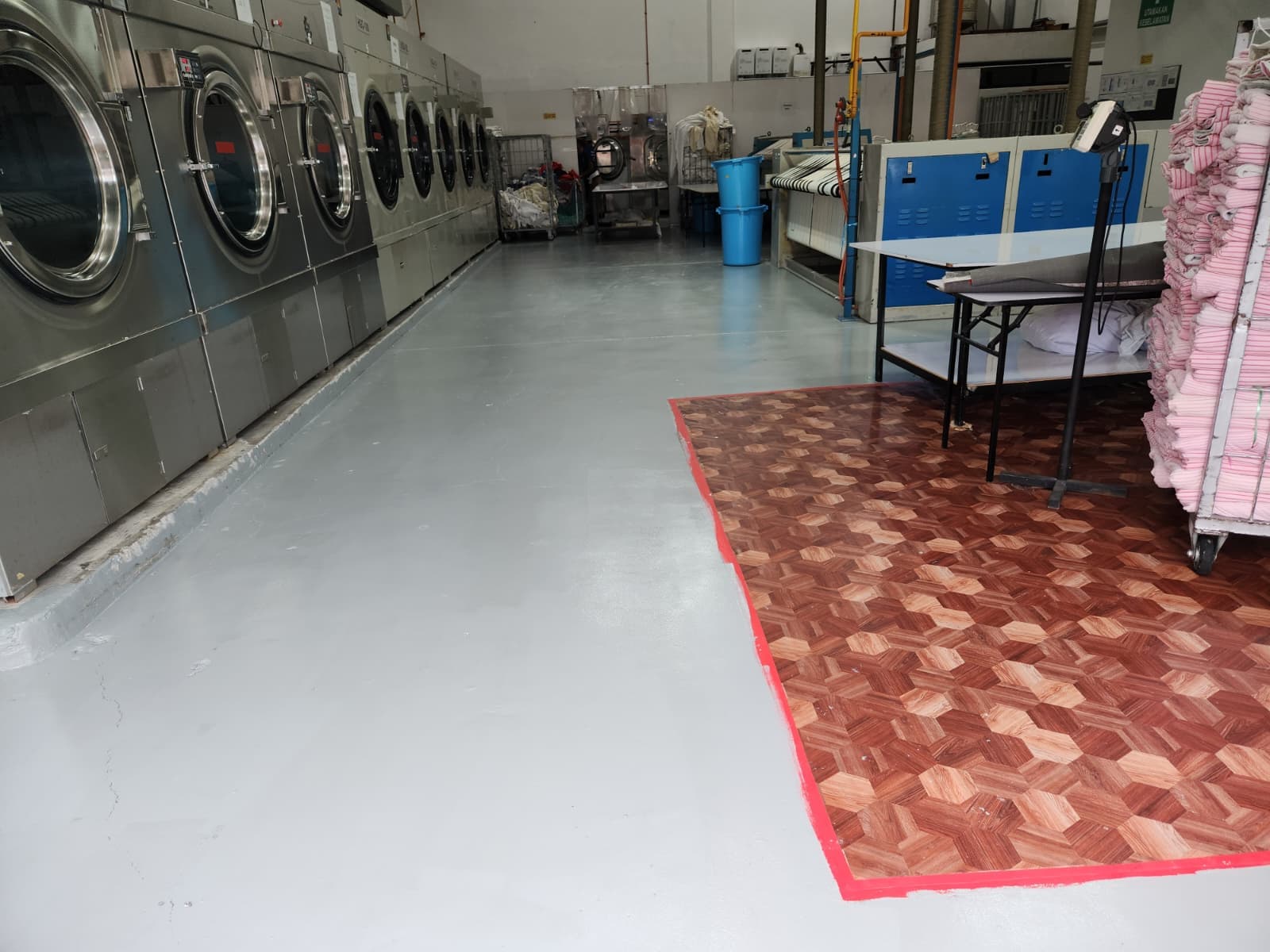
Once you know your volume and turnaround, confirm a supplier can actually carry it without cutting corners. Capacity headroom is what keeps your work from slipping when the laundry is busy. Arifa runs nine washer extractors and sixteen dryers across two Johor Bahru factories, processes up to 25 tonnes a day, and keeps clean and soiled linen strictly apart throughout.
Step five: understand cost drivers, not just a number
Resist comparing suppliers on a single headline figure. Laundry cost is shaped by several drivers, and understanding them lets you compare quotes fairly and predict how your bill moves as your business grows.
- →Total volume and how steady or spiky it is
- →The mix of items and any special handling they need
- →Required turnaround speed and delivery frequency
- →Distance and logistics between your site and the laundry
Step six: start with a trial, then scale
You do not have to move everything at once. A trial period with part of your volume lets you judge real performance, turnaround, and communication before committing fully. A local Johor partner makes this easy, since you can visit the factory and adjust the arrangement as you learn what works.