A commercial laundry contract is more than a price per kilo. The terms around quality, turnaround, linen loss, and exit decide whether the relationship works once volume gets real. This article covers what to negotiate so you protect cost and supply, not just the opening rate.
What should you settle before price?
Lock down scope and service levels before you argue over rates, because price only means something against a defined standard. Agree what counts as acceptable quality, what turnaround you need, and how rejects are handled. A cheap rate against vague standards is the most expensive deal you can sign.
- →Linen types and volumes covered
- →Quality standard and inspection process
- →Turnaround time and collection schedule
- →How rejects and rewashes are handled
How should pricing terms be structured?
Decide between per kg and per piece based on your real linen mix, and confirm whether weight is measured wet or dry. Pin down minimum charges, how price changes are notified, and what triggers a review. Predictable pricing beats a low headline rate that can move without warning.
Who carries the risk of lost or damaged linen?
Linen loss is one of the biggest hidden costs in any contract, so the replacement and liability terms deserve real attention. Agree how losses are counted, who pays, and at what value, before there is a dispute. Clear terms here prevent a slow drain on your linen stock from becoming a quiet cost you never reconciled.
What about continuity and capacity?
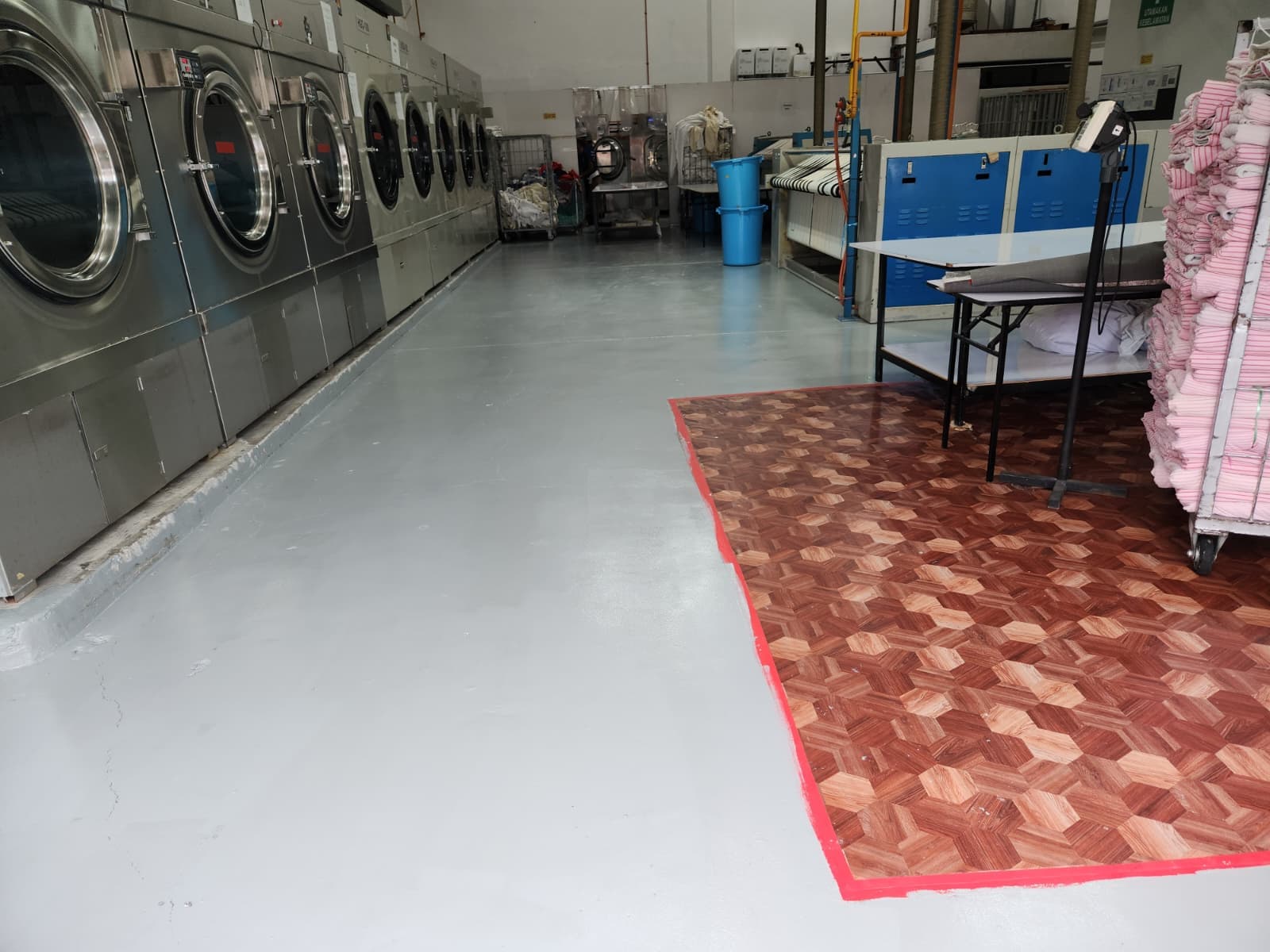
Ask how the laundry copes when your volume spikes or a machine fails, because supply that stops mid-season hurts more than a slightly higher rate. A partner running many machines in parallel can absorb a breakdown without halting your line. Arifa operates 24/7 since 2017 across two JB factories with nine washer extractors and sixteen dryers, which is the kind of redundancy worth confirming in writing.
How should the exit be written?
Negotiate the exit while you still have leverage, not when the relationship is breaking down. Agree notice periods, how your linen stock is returned, and any transition support so a change of provider does not leave you exposed. A clean exit clause is a sign of a confident partner, not a hostile one.