Mattress protectors and pillows are the bedding items hotels notice last and replace most often, usually because they were washed wrong or not often enough. A protector that loses its barrier or a pillow that clumps after one bad wash is a guest complaint and a replacement cost waiting to happen. This guide covers how to launder both so they stay hygienic and hold their shape.
Why mattress protectors get neglected
Sheets get stripped and washed every checkout, but the protector underneath often gets skipped because it looks clean. It is not. Protectors absorb sweat, spills, and skin shed that pass through the sheet, so a protector that is only washed occasionally becomes the dirtiest layer on the bed. Build them into a rotation rather than washing them only when something visibly goes wrong.
How to launder a mattress protector without ruining it
The barrier layer in a waterproof protector is the part most easily damaged by heat. Excessive drying temperatures can crack or peel the membrane, which kills the waterproofing while the fabric still looks fine. A commercial laundry adjusts wash and dry settings to the item rather than blasting everything on one cycle, which is the difference between a protector that lasts and one that fails quietly.
- →Wash on a warm rather than scalding cycle for coated protectors
- →Avoid high dryer heat that can damage the waterproof membrane
- →Do not iron a coated protector
- →Check seams and corners for wear at each wash
Caring for pillows so they keep their shape
Pillows fail when filling clumps or breaks down, and the wash process is usually the cause. Polyester and down behave differently, so they should not be treated identically. The goal is full drying, because a pillow that goes back on the bed slightly damp will grow odour and lose loft fast.
- →Dry pillows fully, since trapped moisture causes odour and clumping
- →Match the cycle to the filling type rather than using one setting
- →Refresh loft by drying thoroughly rather than over washing
- →Retire pillows that no longer recover their shape
When to wash versus when to replace
Both protectors and pillows have a service life, and laundering well extends it but does not make it infinite. A protector with a failed barrier or a pillow that stays flat after a proper dry is past saving and should leave the rotation. Tracking which items come back worn helps you plan replacements instead of being caught short on a busy weekend.
Why a commercial laundry helps here
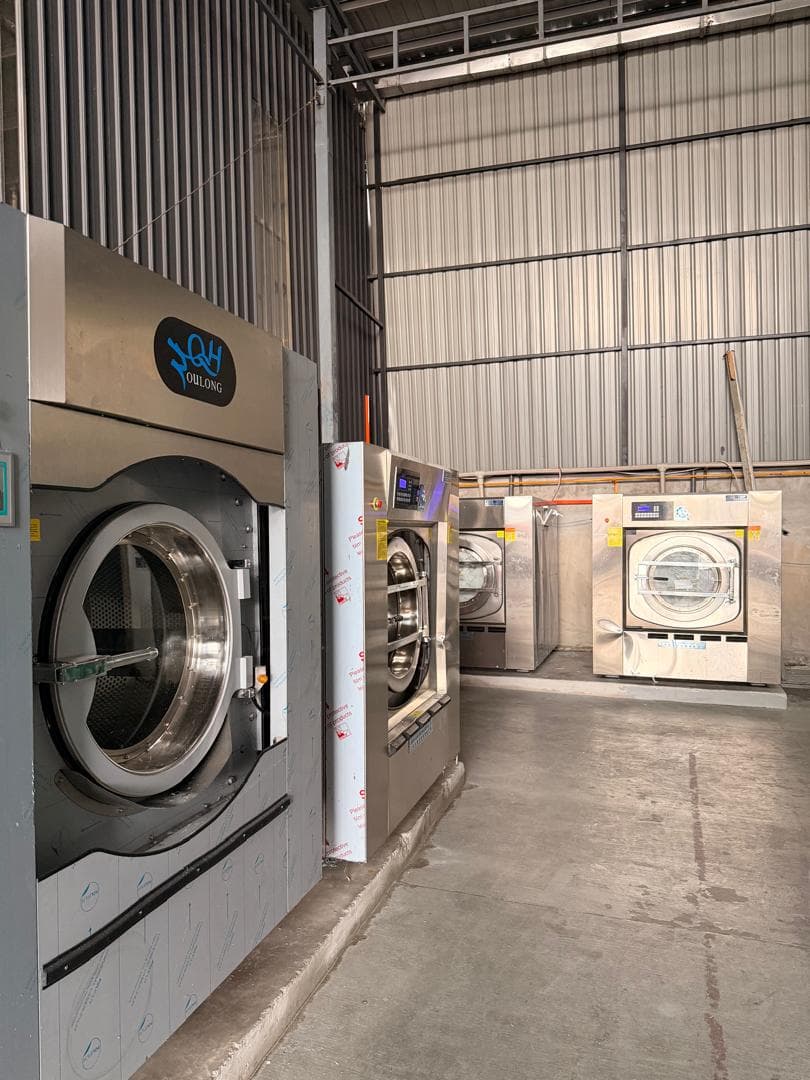
These items need cycle control and proper drying capacity, which is hard to do well in a back of house machine. Arifa runs sixteen dryers across two Johor Bahru factories, so pillows and protectors can be dried fully rather than rushed half dry to free up a machine. Matching the process to the item is exactly the kind of thing a dedicated commercial laundry is set up to do.