Every property that handles linen at scale eventually asks the same question: should we own our stock or rent it. Both models work, but they shift cost, control, and risk in different directions. This guide walks through the trade-offs so a hotel or clinic in Johor can decide with clear eyes rather than on a sales pitch.
What rental and buying actually mean
When you buy linen, you own every sheet, towel, and gown, and you pay a laundry to wash what you own. When you rent, a supplier owns the stock, places it with you, and folds replacement and processing into one ongoing arrangement. The split matters because it changes who carries the cost of loss, wear, and over-stocking.
- →Buying: you own the asset and pay separately to launder it
- →Rental: the provider owns the asset and bundles supply with processing
- →Ownership decides who absorbs shrinkage and worn-out items
Cash flow and how the money moves
Buying means a large upfront outlay to build par stock, then a steadier laundry cost after that. Rental spreads cost into a recurring charge with little capital at the start, which can suit a new property still managing opening expenses. Neither is automatically cheaper, so look at the cost over a few years rather than the first invoice.
- →Buying front-loads spend, then settles into routine wash cost
- →Rental smooths spend but ties you to ongoing per-piece charges
- →Compare total cost across years, not a single month
Control over quality and specification
Owning your linen lets you choose the exact weight, weave, and brand match to your room standard, and keep it consistent. Rental pools give less say over the precise stock you receive, though they remove the burden of managing inventory. If your guest experience depends on a specific feel or colour, ownership protects that.
- →Ownership locks your exact specification and look
- →Rental trades some control for less inventory hassle
- →Brand-sensitive properties usually lean toward owning
Where the risk sits
Loss, theft, and wear are real costs in any linen operation. When you own stock, those losses land on you, and you fund replacements. Under rental, the provider typically carries replacement risk, but you pay for that protection inside the recurring rate. The honest question is whether your loss rate is high enough to make that trade worth it.
How processing fits either model
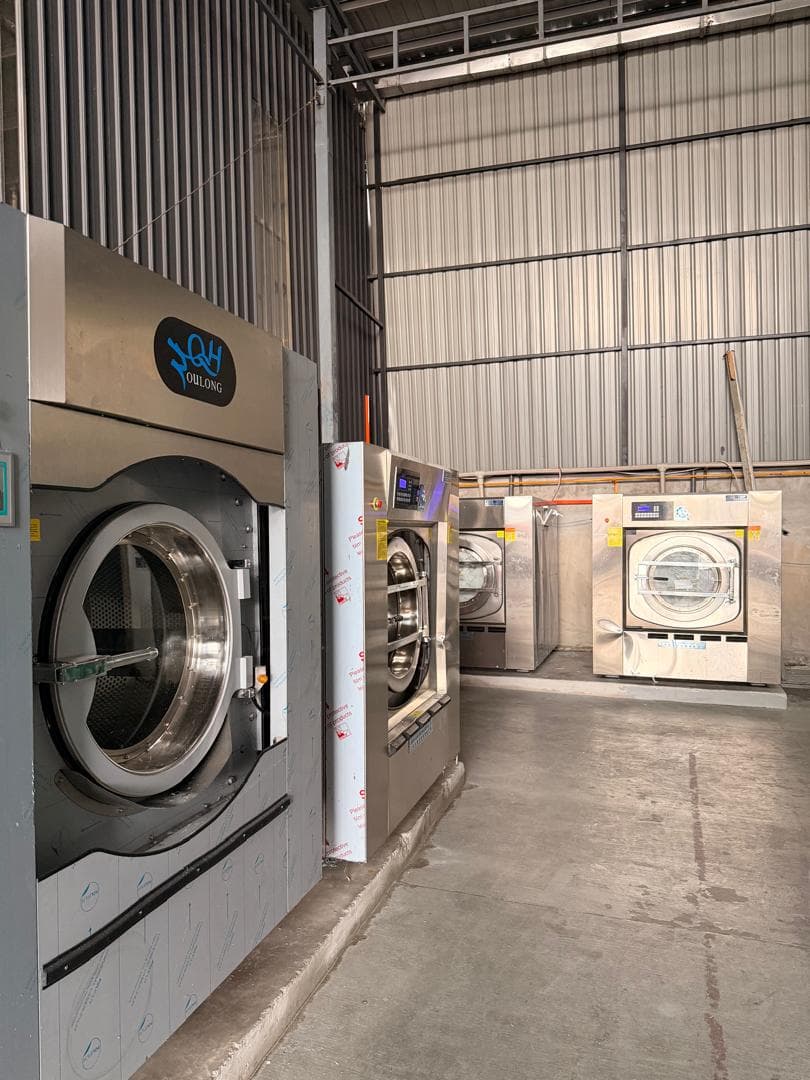
Whichever model you pick, the linen still has to be washed properly, on time, and kept clean side separate from soiled. A commercial plant like Arifa processes owned linen for hotels and healthcare clients across Johor, running 24/7 with clean and soiled linen handled strictly apart. The processing standard should be judged on its own merits, separate from how you finance the stock.