Most laundry operations measure weight processed and stop there, which hides the problems that actually cost money. Turnaround slips, linen quietly disappears, and reject rates creep up without anyone watching the right numbers. This guide covers the KPIs worth tracking, what each one tells you, and how to read them together rather than in isolation.
Turnaround time
Turnaround is the time from collection to clean delivery, and it is the number your customers feel most directly. A slipping turnaround usually points to a bottleneck somewhere, often drying capacity or a vehicle scheduling gap. Track it per route and per client rather than as one plant average, because a single slow customer can hide inside a healthy looking overall figure.
Reject and rewash rate
The reject rate is the share of items that come back out of the clean line because they are stained, damaged, or not properly finished. Every rewash is double the cost: the wash you already paid for plus the one you now repeat. A rising rewash rate is an early warning that wash chemistry, sorting, or stain handling has drifted and needs attention before customers start complaining.
- →Track rejects as a percentage of items processed, not raw counts
- →Separate stain rejects from damage rejects, since they have different causes
- →Watch the trend, not the single day
Linen loss and shrinkage
Linen loss is the gap between what goes out and what comes back over time, and it is one of the largest silent costs in a linen operation. Items vanish through miscounts, mixed customer stock, or simple wear that takes them out of rotation. Counting in and out at each exchange, and reconciling monthly, turns a vague suspicion that you are losing stock into a number you can act on.
Capacity utilisation
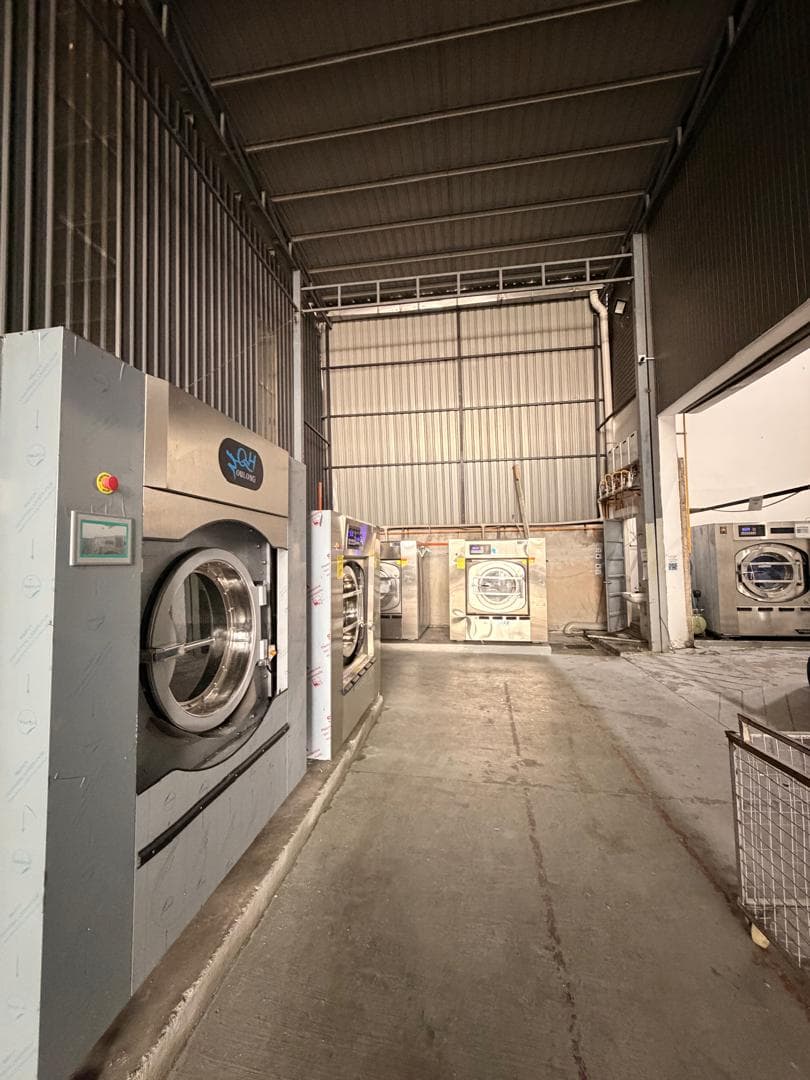
Utilisation tells you how much of your machine time you are actually using against what you have. Run too hot all the time and you have no headroom for a busy week or a breakdown; run too cold and you are paying for idle plant. The useful read is the pattern across the week, because the peaks and the slow days matter more than the average. Arifa's nine washer extractors and sixteen dryers exist to give exactly this kind of headroom, with capacity up to 25 tonnes a day.
On-time delivery rate
On time delivery is the share of scheduled deliveries that arrive within the agreed window. For customers like hotels and clinics this is often the KPI they care about above all others, because a late delivery disrupts their day regardless of how clean the linen is. Measure it against the committed window, not against a loose interpretation of roughly on time.
How to read these together
No single KPI tells the full story, and chasing one in isolation usually breaks another. Pushing turnaround faster can spike the rewash rate if drying gets rushed; squeezing utilisation higher can hurt on time delivery when there is no slack for problems. Review them as a set on a regular cadence so you can see the trade offs and spot which lever is actually moving.