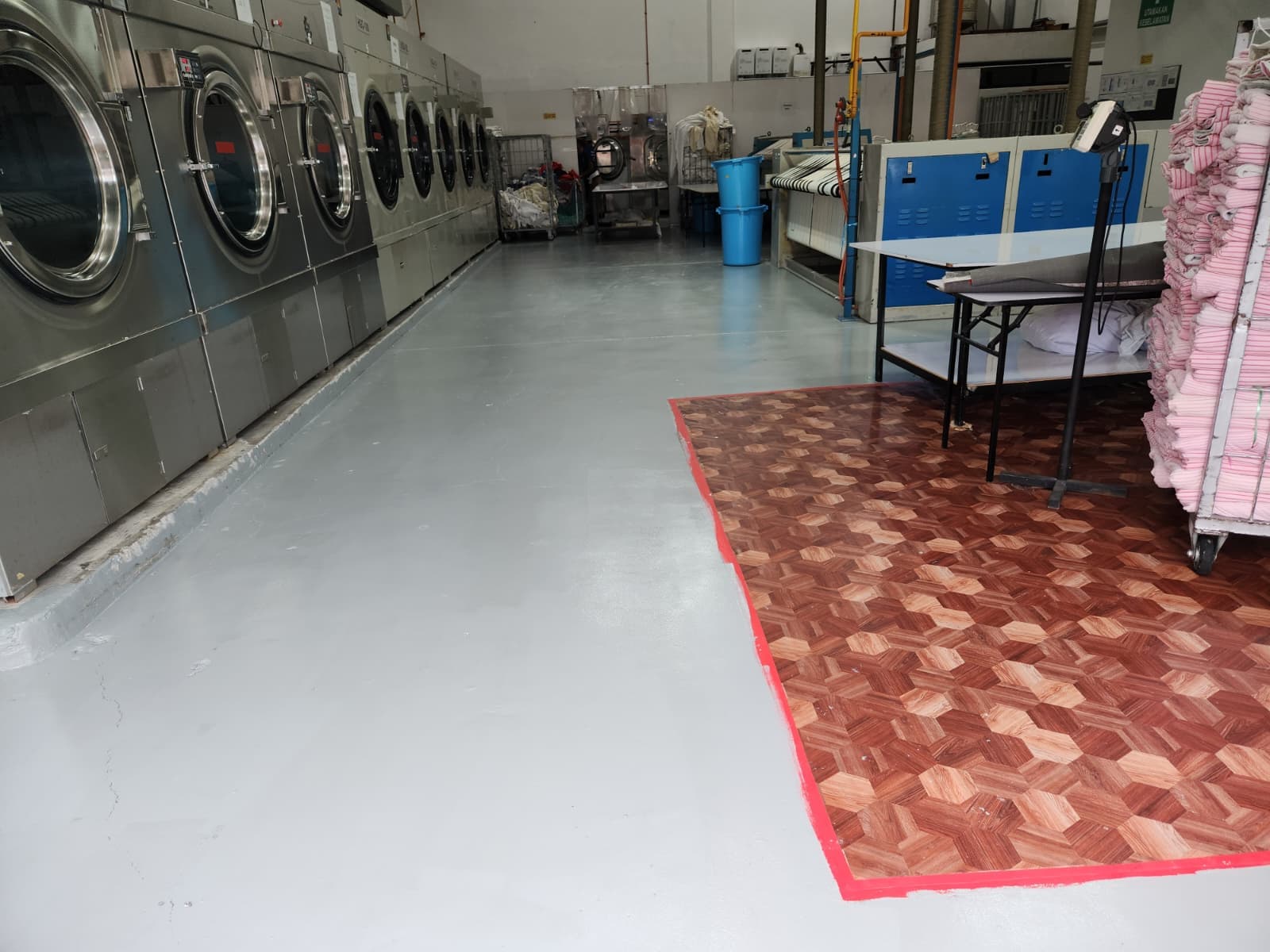
A healthcare laundry tender that only asks about price tends to attract the wrong answers and the wrong supplier. The specification is where you protect patients, set clear expectations, and make providers comparable on what matters. This article covers the sections a Johor hospital or clinic group should include and the evidence to demand for each.
Define the scope before anything else
Start by stating exactly what linen is in scope, how much, and from where, because every later requirement depends on it. List item types such as bed linen, theatre drapes, uniforms, and patient gowns, along with approximate volumes and the sites involved. A vague scope leads to bids you cannot compare and surprises after the contract starts.
- →Linen categories and approximate daily or weekly volumes
- →Collection and delivery points across your sites
- →Frequency and any time critical deliveries such as theatre
- →Who owns the linen stock and who replaces losses
Make infection control a scored requirement
Infection control should be an evaluated section, not a tick box, because it is the core of healthcare laundry. Ask how clean and soiled linen are kept apart, what thermal disinfection process is used, and how it is monitored and logged. A provider should be able to describe physical separation and produce records, the way Arifa keeps clean and soiled linen strictly apart across two Johor Bahru factories.
Ask for capacity and continuity evidence
Capacity matters because a laundry that cannot absorb your peaks will quietly ration service when you need it most. Ask for real processing capacity, machine counts, and what happens during breakdowns or surges. For context, Arifa runs up to 25 tonnes a day across nine washer extractors and sixteen dryers and has operated 24/7 since 2017, which is the kind of concrete detail a tender should elicit.
- →Stated daily processing capacity and current headroom
- →Equipment redundancy so one breakdown does not stop service
- →Continuity plan for power, water, or machine failure
- →Track record with comparable healthcare clients
Set service levels you can measure
Define service levels in terms you can audit: collection and delivery windows, turnaround times, and acceptable reject or rewash rates. Tie these to a simple reporting routine so performance is visible monthly, not argued about during disputes. Clear, measurable service levels protect both sides and keep the relationship honest.
Require references and the right to inspect
Ask for references from comparable healthcare clients and reserve the right to inspect the facility before and during the contract. A walk through reveals whether separation, storage, and process discipline match the bid. Providers with real healthcare experience, such as serving hospitals and specialist centres, should welcome the visit.