In a food factory, a garment is part of the contamination barrier between staff and product, so its cleanliness is a compliance issue, not a cosmetic one. For food manufacturers around Johor Bahru and Pasir Gudang, weak garment hygiene shows up fast in audits and product risk. This guide covers the basics of food-factory garment hygiene and what a proper laundry process must deliver.
Why garments are part of food safety
Work garments shed fibres, carry soil, and can move bacteria and foreign bodies onto a production line if they are not properly clean. In food manufacturing the uniform is a control point, which is why auditors look closely at how it is laundered and handled. Treating garment hygiene as part of the food-safety system, not as laundry, is the right starting point.
- →Garments can carry bacteria onto the line
- →Loose fibres and buttons are foreign-body risks
- →Uniforms are an audited control point
- →Hygiene standard must match the product risk
Keeping clean and soiled garments apart
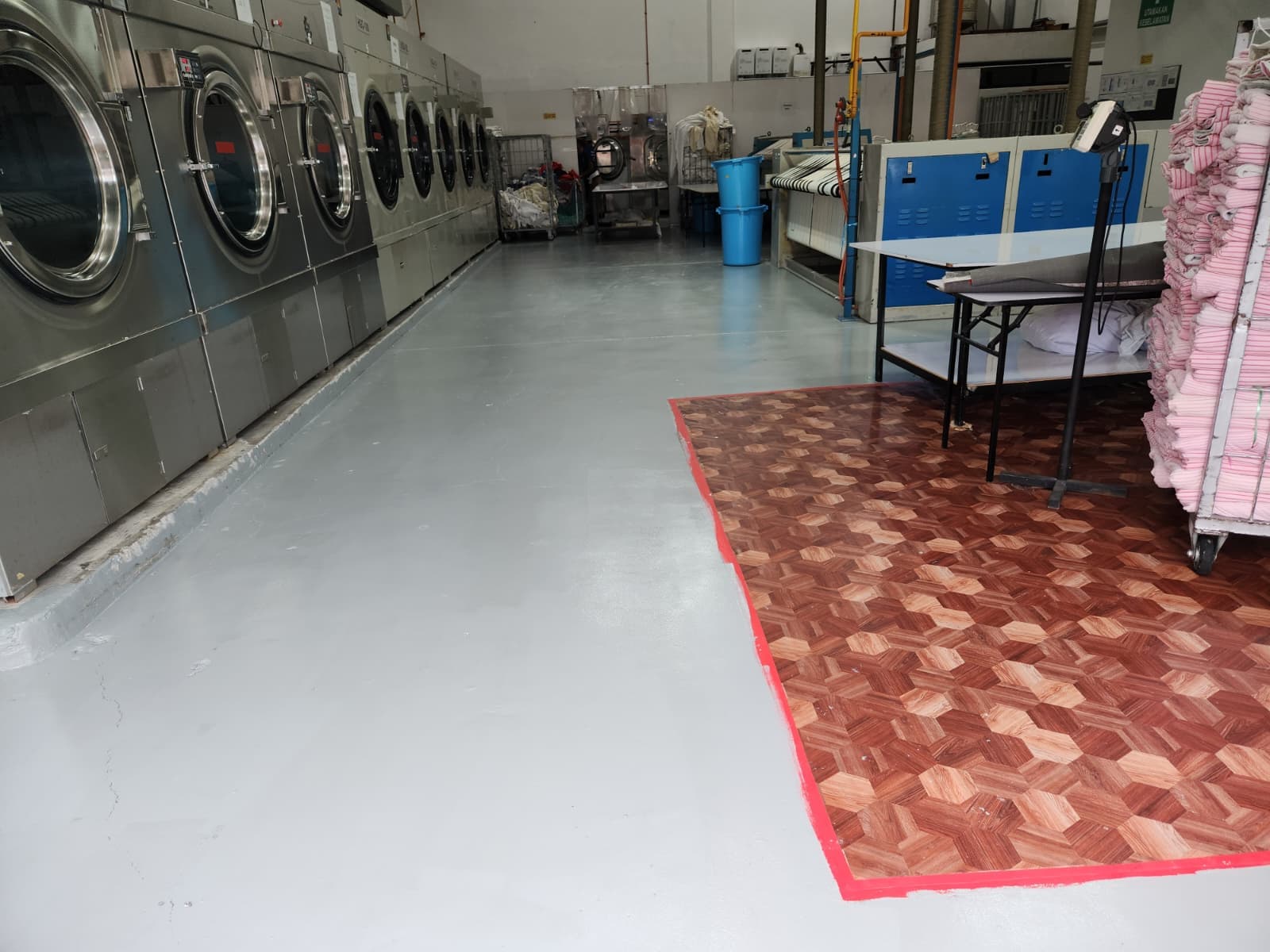
The foundation of food-factory garment hygiene is never letting a soiled garment touch a clean one. Arifa keeps clean and soiled linen strictly apart through the entire process, with separate handling and storage so there is no point where they cross. Without that barrier, even a technically correct wash can be undone at the handling stage.
The right wash process for food environments
Food-soiled garments carry protein, fat, and starch, all of which need the correct chemistry and temperature to remove and to control bacteria. A reliable, repeatable cycle matters more than an occasional deep clean, because consistency is what an audit looks for. The process should be documented and the same every time, not adjusted on the day.
- →Remove protein, fat, and starch soils properly
- →Wash at temperatures that control bacteria
- →Run a consistent, repeatable cycle every time
- →Keep the process documented for audits
Controlled handling, drying, and packing
Clean garments can be recontaminated after the wash if drying, folding, and packing are not controlled. Proper handling keeps the clean side genuinely clean from washer to delivery, which protects all the work done in the cycle. This is where a controlled commercial process clearly beats an informal in-house wash.
Capacity and consistency that support compliance
A food factory needs clean garments in volume, on schedule, every shift, with no gaps. Arifa runs two Johor Bahru factories operating 24/7 with capacity up to 25 tonnes a day, and our experience extends to demanding hygiene environments through hospital clients such as Hospital Sultanah Aminah, KPJ specialist hospitals, and Medivest. That scale and discipline support the consistency a food-safety system depends on.