A laundry operation can wash perfectly and still let you down if the linen arrives at the wrong time. For hotels, restaurants and hospitals, scheduling is what turns a clean result into a reliable supply. This article covers how to build a delivery schedule that keeps you stocked without surprises.
Why a fixed schedule beats ad hoc pickups
Calling for a pickup whenever the linen pile gets big feels flexible but creates chaos. Without a fixed cycle, your par levels swing, the laundry cannot plan its routes, and clean stock arrives late on the days you are busiest. A set schedule lets both sides plan, so collection and return become predictable instead of reactive.
- →Predictable cycles keep your par levels stable
- →The laundry can route efficiently and arrive on time
- →Staff know exactly when clean stock lands
Match the schedule to your demand pattern
A hotel that turns rooms every morning has a very different rhythm from a restaurant that peaks at weekends. The schedule should follow your demand, with more frequent collection where usage is heavy and tighter timing where turnaround is short. Map your busy days and hours first, then build the collection and return windows around them.
- →Daily collection for high-turnover hotels and hospitals
- →Heavier pickups before weekend peaks for restaurants
- →Return timed to land before your next service, not after
Build a buffer so one missed window is not a crisis
Even a good schedule meets traffic, breakdowns and the occasional surge. The protection against that is stock buffer: holding enough linen in rotation that you can absorb a delayed return without running out. A schedule and a buffer work together, the schedule keeps things normal and the buffer covers the exceptions.
- →Keep enough linen to survive one missed delivery window
- →Size the buffer to your peak usage, not your average
- →Review the buffer when your volumes grow
Communication and clear handover points
Most delivery problems are really communication problems. Agree exactly where linen is collected and returned, who signs for it and how counts are confirmed, so nothing goes missing in the handover. A clear point of contact on both sides means a problem gets fixed in one call rather than escalating into a shortage.
Scheduling flexibility in Johor
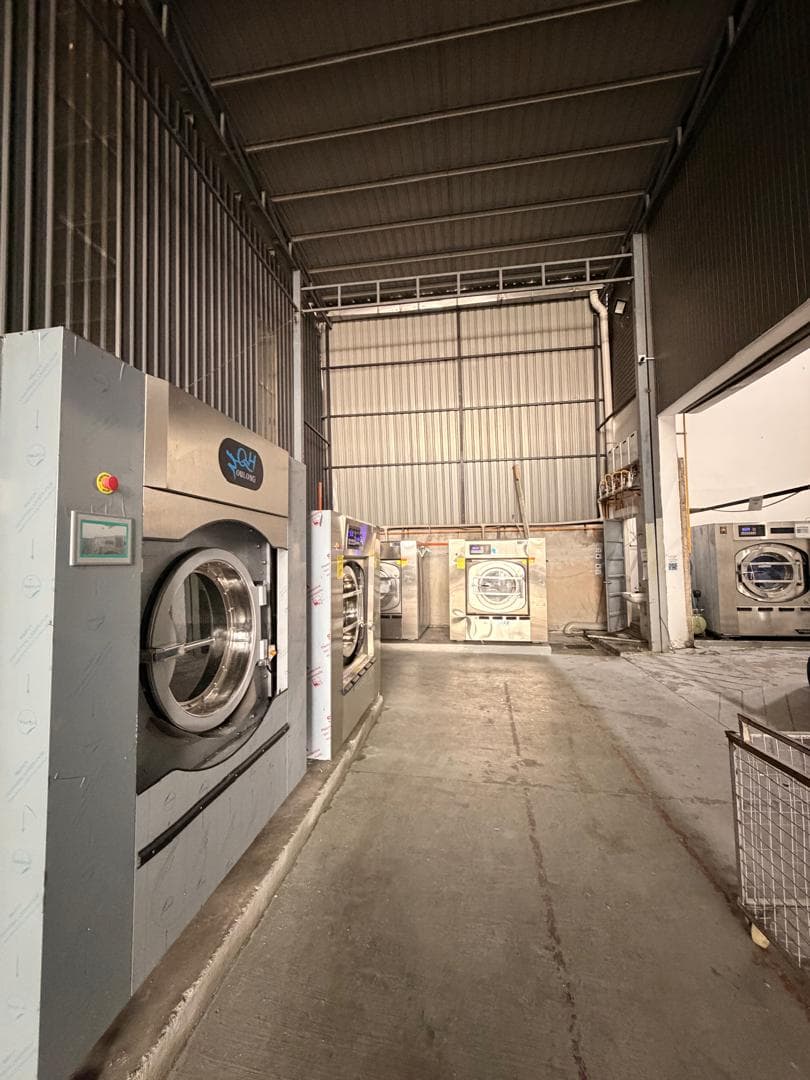
A schedule only holds if the laundry can actually meet it. Arifa operates 24/7 from two factories in Taman Ekoperniagaan, Johor Bahru, which allows collection and return timing to fit around your operation across Johor Bahru, Pasir Gudang, Senai, Kulai and Iskandar Puteri. Round-the-clock processing means tight turnaround windows are workable rather than a constant risk.