Sorting is the unglamorous step that decides whether the wash works. Before a single item hits a machine, it has to be separated by type, soil level and contamination risk, because one wrong load can damage fabric or spread bacteria. This article explains how commercial linen sorting works and why it sits at the heart of a safe, consistent operation.
Why sorting comes before washing
A wash programme is only as good as the load it runs on. Mixing heavily soiled kitchen cloths with lightly used napkins means either the napkins get over-processed or the cloths come out dirty. Sorting groups items so each load gets the right temperature, time and chemistry, which protects both the fabric and the cleaning result.
- →Each soil level needs its own wash programme
- →Delicate items cannot share a cycle built for heavy soil
- →Correct grouping prevents both damage and under-washing
Sorting by linen type
The first split is by item type, because different textiles behave differently in the wash and the finish. Bed sheets, towels, tablecloths, napkins and kitchen cloths each have their own programme and their own finishing route. Keeping types together also makes the clean side faster, since folding and stacking flow better when items are already grouped.
- →Flatwork like sheets and tablecloths for ironing
- →Towelling, which needs tumble drying not pressing
- →Napkins and small items batched for their own finish
Sorting by soil level and stain type
Within a type, items are graded by how dirty they are. Lightly used linen needs a gentler cycle, while heavily soiled items need a longer, hotter wash. Certain stains also change the order of treatment: protein stains like blood must be handled before heat, or they set permanently. Sorting catches these so the wash chemistry is matched to the actual soil in front of it.
Keeping clean and soiled linen strictly apart
Sorting happens entirely on the soiled side, and that side never touches the clean side. At Arifa, clean and soiled linen are kept strictly apart through the whole process, with separate zones so nothing freshly washed can be re-contaminated. This matters most for healthcare linen, where cross-contamination is a real infection risk, which is why hospital work demands disciplined sorting.
- →Soiled handling, washing and clean finishing kept in separate zones
- →Staff and equipment do not cross between sides
- →Healthcare linen handled with the strictest separation
How sorting scales at volume
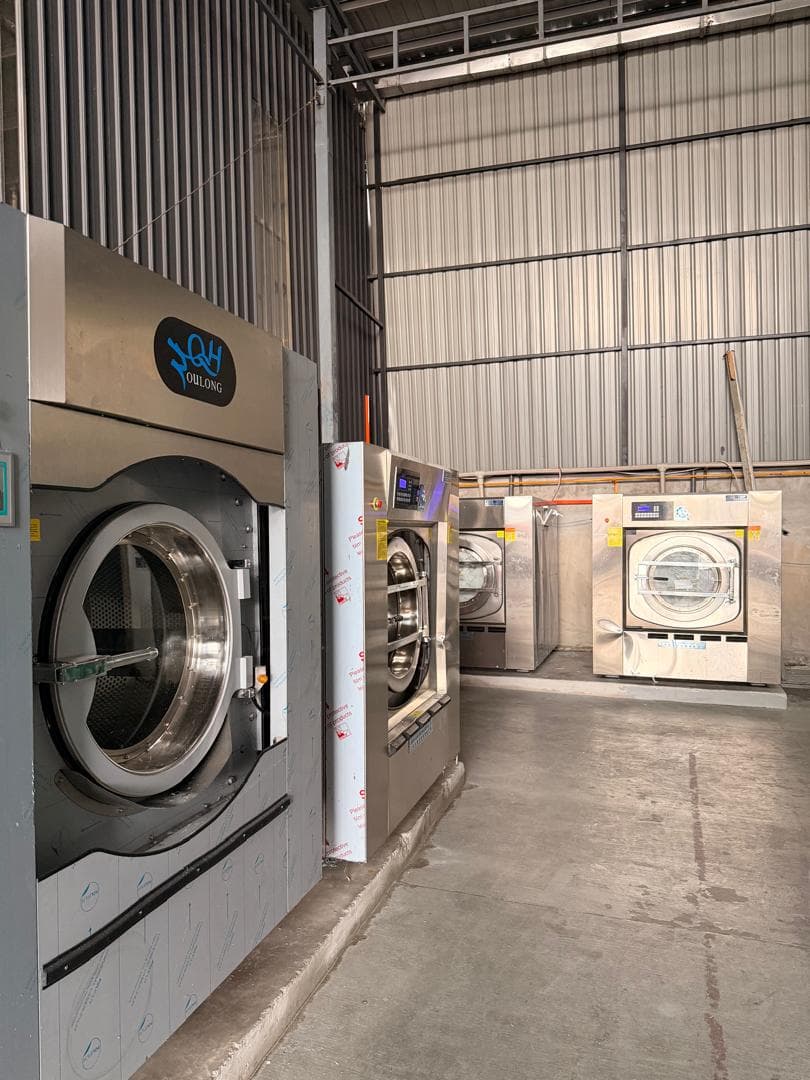
Sorting discipline is easy with a few bags and hard at scale, which is where process matters. Arifa handles up to 25 tonnes of linen a day across two Johor Bahru factories, feeding nine washer extractors and sixteen dryers. At that volume, a consistent sorting system is the only way to keep every load correctly classified and every client's linen clean and accounted for.