A laundry can run the best wash chemistry in the region and still deliver contaminated linen if clean and soiled items share the same space. Separation is the discipline that stops washed linen from being re-soiled before it leaves the building. This article explains how clean and soiled linen separation works in practice and what a credible setup looks like.
Why separation matters as much as the wash
Washing removes soil and, at the right temperatures, disinfects linen. But if that clean linen then crosses paths with incoming soiled linen, dirty trolleys, or contaminated air, the work is undone. Separation protects the result of the wash all the way to dispatch. For hospital and food-service linen, this is not optional housekeeping, it is the core of hygienic processing.
What a barrier setup looks like
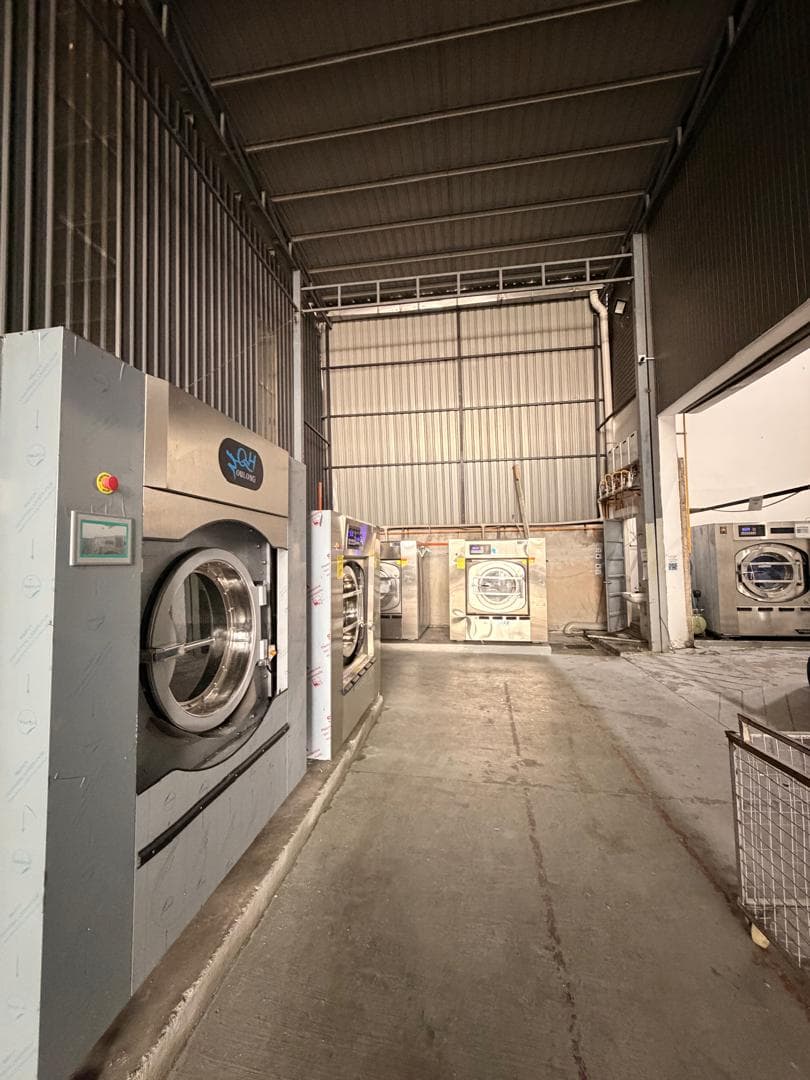
A well-run plant keeps clean and soiled linen strictly apart in space, equipment, and flow. Soiled linen is received, sorted, and loaded on one side, and clean linen is unloaded, finished, and packed on the other, with no backtracking. At Arifa, clean and soiled linen are kept strictly apart across our two Johor Bahru factories so the two streams never mix. The layout is designed so linen only ever moves from dirty to clean, never the reverse.
- →Separate receiving and dispatch zones
- →Dedicated trolleys for clean and soiled linen
- →One-directional flow from soiled to clean
How the flow runs one way
Unidirectional flow means linen enters as soiled, passes through washing and disinfection, and exits as clean, without ever moving back toward the soiled side. Staff, trolleys, and storage are assigned to one side or the other so nothing carries contamination across the line. This is the practical meaning of a barrier: not just a wall, but a controlled direction of travel. When the flow is right, clean linen physically cannot meet the soiled stream.
Where separation usually breaks down
The common failures are shared trolleys, clean linen stored near a soiled intake, and staff moving between sides without changing handling practice. Air movement matters too, since contaminated air drifting into a clean area can undo good washing. These gaps are easy to miss on a quick tour, which is why they are worth asking about specifically. A plant that has thought about separation can show you the line, not just describe it.
- →Trolleys used on both clean and soiled sides
- →Clean storage too close to soiled intake
- →Staff crossing sides without controls
What to check on a site visit
Walk the path linen takes from arrival to dispatch and confirm it only ever moves in one direction. Ask which trolleys serve the clean side and which serve the soiled side, and whether they are ever shared. Look at where finished linen is stored relative to incoming soiled bags. If the answers are clear and the layout backs them up, separation is real rather than a slogan.