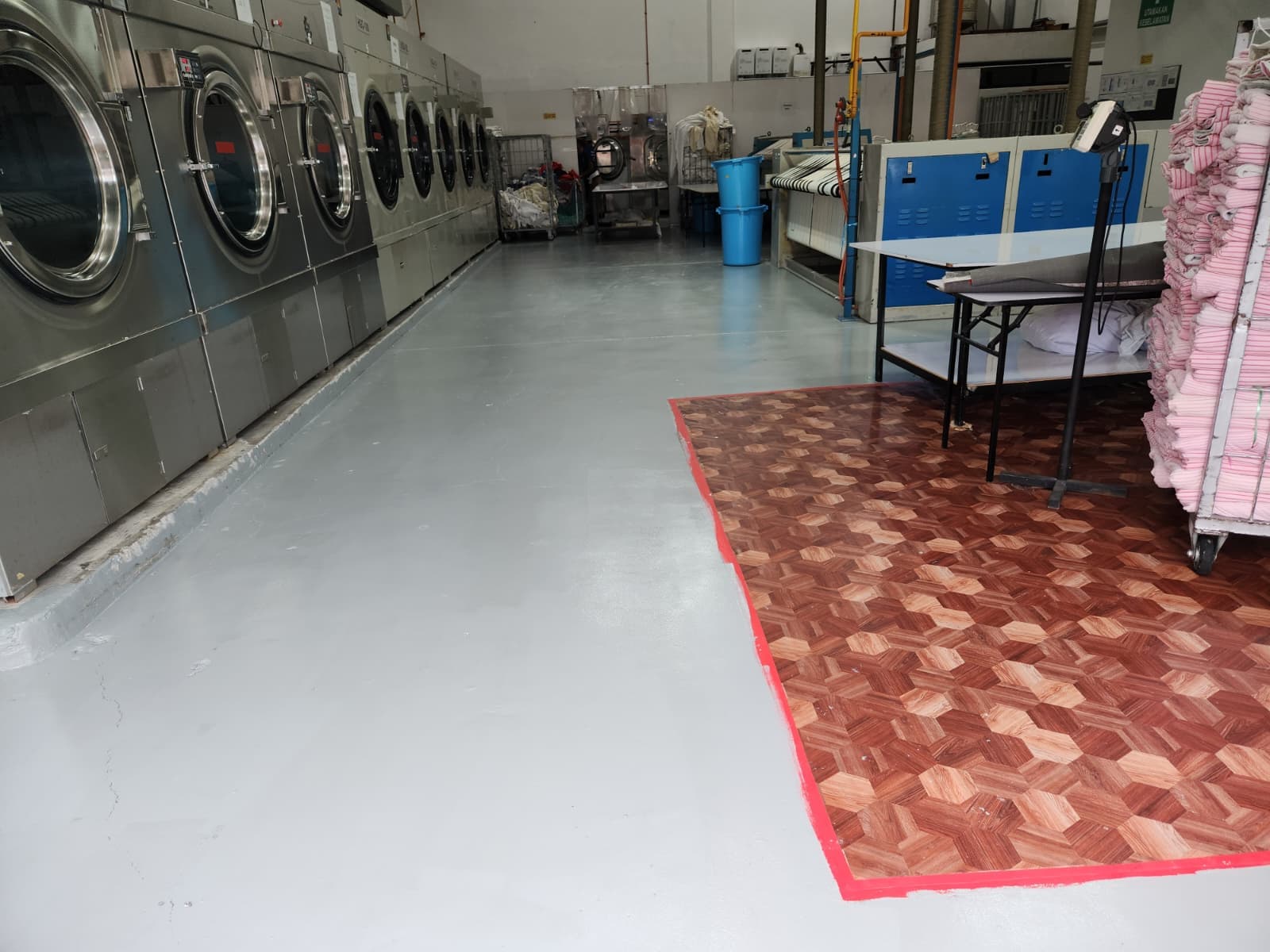
Cafes and bistros sit between casual and formal, and their linen reflects that: napkins, runners, tea towels, aprons and sometimes tablecloths. Getting linen wrong shows up fast in a small room where guests sit close to the fabric. This guide helps cafe and bistro operators in Johor decide what to outsource and how to keep it running smoothly.
What linen a cafe or bistro actually uses
Unlike a banquet hall, a cafe runs a smaller and more varied linen list, and the mix depends on your concept. A minimalist bistro might use only napkins and aprons, while a more traditional one adds tablecloths and runners. Map out exactly what you use before deciding what to send out, because washing a small batch of mixed items in-house rarely makes sense.
- →Napkins, the highest-volume item in most cafes
- →Aprons and service cloths for staff
- →Tablecloths or runners if your concept uses them
- →Tea towels and bar cloths behind the counter
Why washing cafe linen in-house often fails
A domestic or small commercial machine in the back of a cafe ties up staff time, space and water, and it rarely gets napkins truly clean or properly pressed. Coffee, oil and food stains need consistent temperatures and the right chemistry that small machines struggle to deliver. Most cafe owners find the real cost of in-house washing is the labour and the inconsistent result, not just the utilities.
- →Staff time spent washing and folding is time off the floor
- →Inconsistent pressing makes napkins look tired
- →Stubborn coffee and oil stains often survive a domestic cycle
Presentation matters more in a small room
In a compact cafe, guests are close to the table and notice a stained napkin or a wrinkled runner immediately. Crisp, evenly pressed linen does a lot of quiet work for how your space reads. Commercial finishing gives a consistent press across every piece, so your tables look the same on a busy Saturday as they do on a quiet weekday.
Working out your stock and par levels
Run out of clean napkins at brunch and the team starts improvising, which never looks good. The fix is to hold enough linen in rotation to cover items in use, items being washed and items in transit. Count your busiest service, not an average day, and build par levels from that peak so you are never caught short.
- →Base par levels on peak service, not daily average
- →Keep a buffer for spills and unexpected busy days
- →Retire stained or frayed pieces before guests see them
Choosing a laundry partner in Johor
For a cafe, the things that matter are reliable turnaround, consistent finishing and a collection schedule that fits a small operation. Arifa runs two factories in Taman Ekoperniagaan, Johor Bahru, operating 24/7 since 2017, and handles both small hospitality linen and large hotel volumes. That range means a growing cafe can scale up without changing supplier.