A linen supply plan is the difference between always having clean stock on hand and constantly firefighting shortages. Too little linen and you run out on a busy day; too much and you have tied up money in stock that sits in storage. This buyer's guide walks through how to build a plan that keeps the right amount of linen moving through rotation reliably.
Start with accurate demand
Every linen plan rests on knowing how much you actually use, so start by measuring real consumption rather than guessing. Count what goes out and comes back over a representative period, including your busy weeks, not just the quiet ones. Without this baseline, every par level and replacement decision downstream is built on a guess, and guesses are what leave you short.
Setting the right par levels
Par level is the total quantity of each item you keep in circulation to cover the full cycle. A common approach is to hold enough sets to cover what is in use, what is in the wash, and a buffer in reserve at the same time. The exact number depends on your turnaround time, because slower turnaround means more linen tied up in transit and therefore a higher par.
- →One set in use on the bed or table
- →One set in the laundry cycle
- →A buffer set in reserve for delays and peaks
- →Adjust the buffer upward when turnaround is longer
Accounting for loss and wear
Linen does not last forever and some of it quietly disappears, so a plan that ignores loss will slowly run down. Items wear thin, get stained beyond recovery, or simply go missing in handling. Build a steady replacement allowance into the plan rather than waiting for stock to fall critically low and then buying in a panic, which always costs more and takes longer.
- →Track items retired for wear or staining
- →Reconcile issued versus returned linen regularly
- →Order replacements on a schedule, not in emergencies
Matching the plan to your laundry turnaround
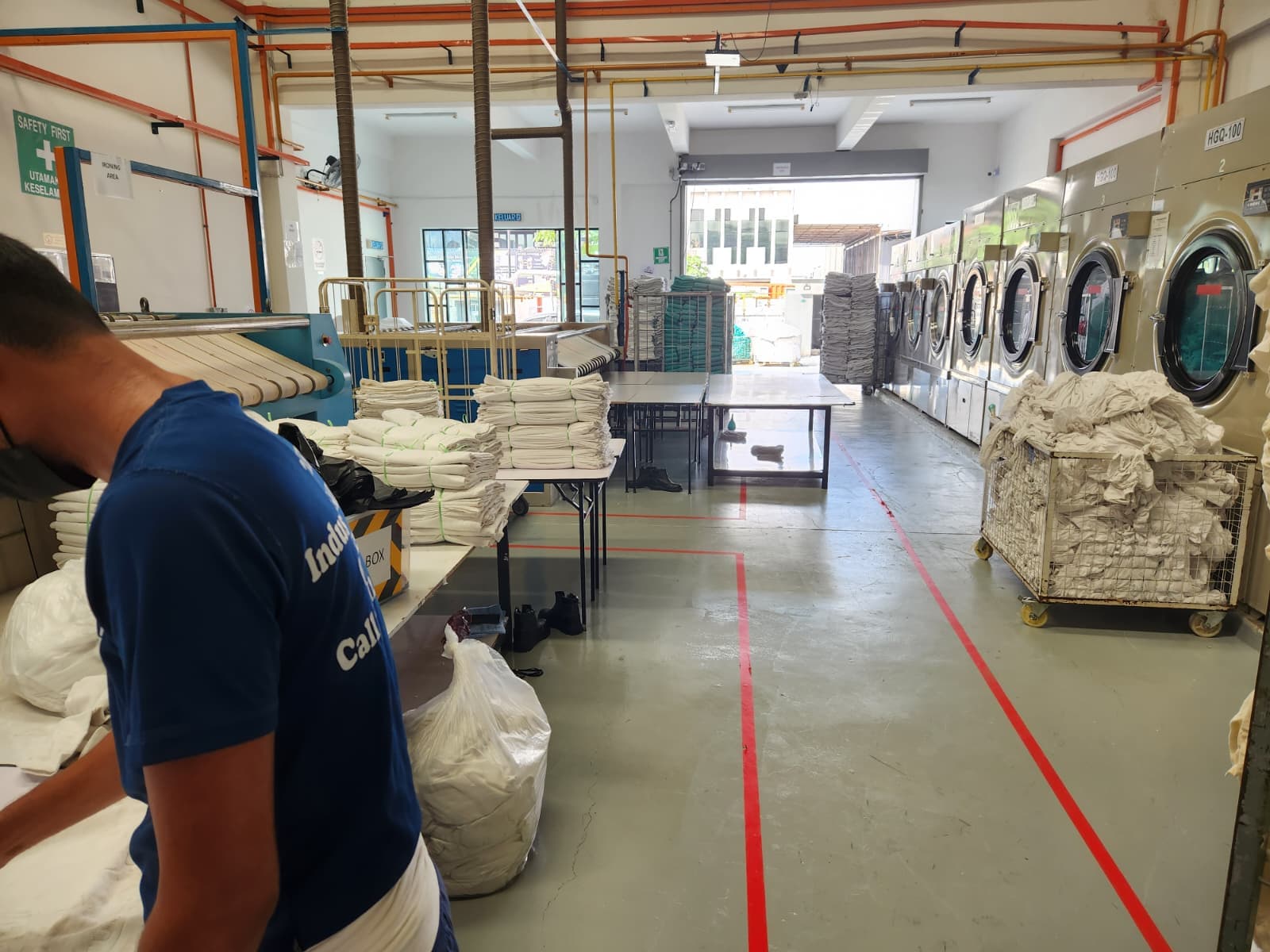
Your par levels and your laundry schedule are two halves of the same plan and have to fit together. A fast, reliable turnaround means you can hold less linen in reserve, because stock cycles back quickly; a slow or unpredictable one forces you to carry more. Arifa runs 24/7 and processes up to 25 tonnes a day across two Johor Bahru factories, and a dependable turnaround like that lets buyers plan with a leaner, more confident reserve.
A note on buying versus renting
Some buyers own their linen and have it laundered, while others use a linen rental arrangement where a provider supplies and maintains the stock. Each suits different operations: ownership gives you control over quality and choice, while rental shifts replacement and loss management onto the provider. Arifa is a commercial and industrial laundry rather than a rental provider, so if you own your linen, the plan above is built for you.
Reviewing and adjusting the plan
A linen plan is not set once and forgotten, because demand shifts, items wear, and seasons change. Review it on a regular cadence against what actually happened: where you ran short, where stock sat unused, and how loss tracked against your allowance. Small regular adjustments keep the plan honest and stop it drifting back into firefighting.